Music Programs Matter – Music education plays a vital role in shaping well-rounded students, especially within public schools across the United States. Beyond learning notes and rhythms, structured music programs help children develop discipline, creativity, and confidence at an early age. In American public schools, music classes also support academic growth by improving memory, language skills, and teamwork. Despite budget pressures, educators and parents continue to advocate for these programs because of their proven long-term benefits. Understanding why music programs matter in public schools helps highlight their importance for students, families, and communities nationwide.
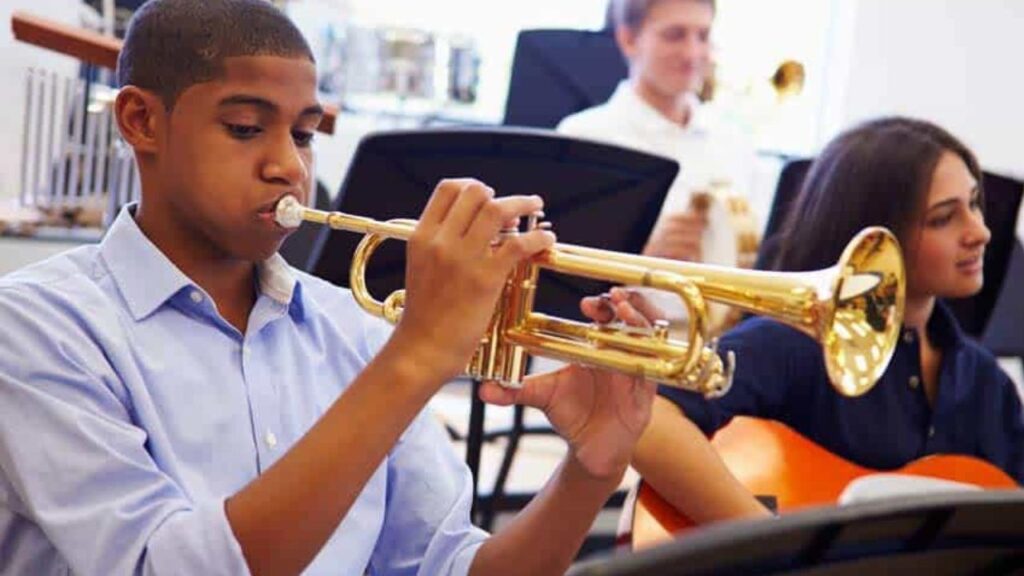
Importance of Music Education in United States Public Schools
Music education in United States public schools provides students with far more than artistic exposure. Research shows that students involved in school music programs often perform better academically, particularly in reading and mathematics. Learning an instrument or participating in choir teaches discipline, time management, and perseverance—skills that benefit students throughout their education. For many American students, school-based music programs are the only affordable way to access formal music training. These programs also encourage inclusivity by bringing together students from diverse backgrounds, fostering collaboration and mutual respect within classrooms across the country.

How School Music Programs Support American Students’ Development
School music programs play a key role in supporting the social and emotional development of American students. Participating in band, orchestra, or choir helps children build confidence through performance and constructive feedback. Music classes also promote teamwork, as students must listen carefully and work together to achieve harmony. Across US school districts, educators note that students involved in music are more engaged and demonstrate stronger attendance patterns. These programs can also provide a positive outlet for self-expression, helping students manage stress and develop a sense of belonging within their school communities.

| Aspect | With Music Programs | Without Music Programs |
|---|---|---|
| Academic Engagement | Higher participation and focus | Lower overall engagement |
| Skill Development | Creativity and teamwork skills | Limited creative outlets |
| Student Inclusion | Broad access for diverse learners | Fewer inclusive activities |
| School Culture | Stronger community spirit | Weaker school identity |
Long-Term Benefits of Music Programs Across America
Across America, the long-term benefits of music programs in public schools extend well beyond graduation. Students who participate in music education often show improved communication skills and higher levels of self-discipline as adults. Exposure to music at a young age can also increase cultural awareness and appreciation for the arts. Many employers value these transferable skills, making music education relevant even for non-musical careers. By investing in school music programs, communities across the United States help prepare students for lifelong learning and meaningful participation in society.
Community Impact of Public School Music Education in the USA
Public school music education in the USA also strengthens local communities. School concerts, marching bands, and performances bring families and neighborhoods together, creating shared experiences and pride. These events often reflect local culture and traditions, reinforcing community identity. In many regions, music programs help schools connect with local arts organizations and professionals, expanding learning opportunities for students. When communities support music education, they invest not only in student success but also in cultural enrichment that benefits American society as a whole.
Frequently Asked Questions (FAQs)

1. Why are music programs important in public schools?
They support academic success, personal development, and social skills alongside artistic learning.
2. Do music programs improve academic performance?
Yes, studies show music students often perform better in subjects like math and reading.
3. Are public school music programs accessible to all students?
They are designed to be inclusive, offering access regardless of family income.
4. What happens when schools cut music programs?
Students lose valuable opportunities for creativity, engagement, and community connection.