Marching Bands Create – Marching bands do far more than prepare students for halftime shows and competitions—they help shape well-rounded individuals with lifelong skills. In the United States, marching band programs in middle schools and high schools are widely recognized for blending music education with personal development. Students learn discipline, teamwork, and leadership in environments that demand focus and accountability. These experiences extend well beyond the classroom, influencing academic performance, career readiness, and social confidence. Across American schools, marching bands continue to play a vital role in developing skills that students carry into college, the workforce, and everyday life.
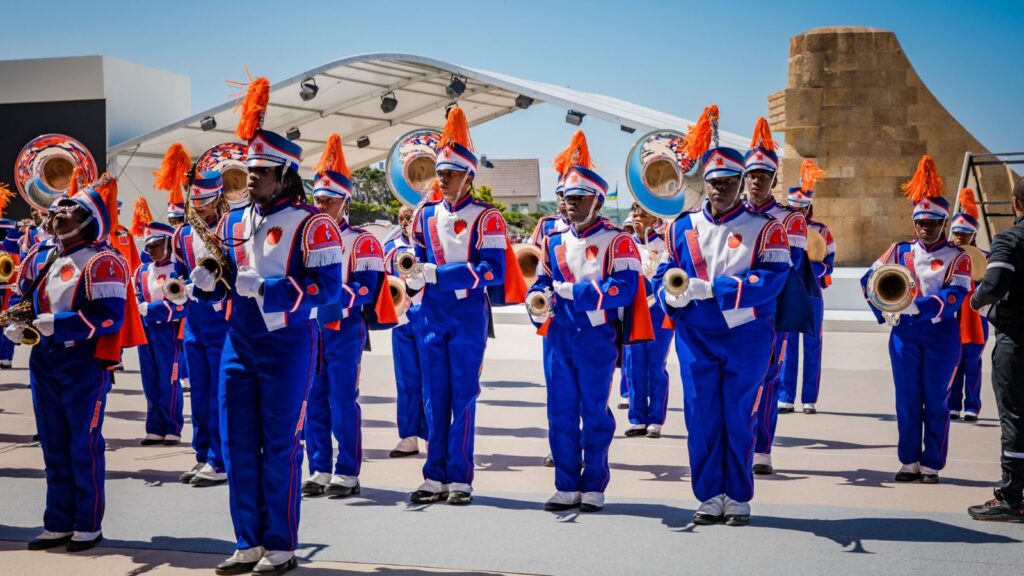
Marching Band Life Skills Development in the United States
Participation in marching bands across the United States helps students develop essential life skills that traditional classrooms may not fully provide. Time management becomes second nature as rehearsals, academics, and personal commitments must be balanced carefully. Students also build resilience by learning to perform under pressure during competitions and public events. Communication skills improve as band members coordinate movements, music, and timing with precision. In American schools, marching band culture emphasizes accountability—each performer’s role affects the entire group. This shared responsibility teaches students reliability and respect, skills that remain valuable long after graduation.

How Marching Bands Build Leadership Among American Students
Marching bands are powerful leadership incubators for American students. Section leaders, drum majors, and captains learn how to guide peers, manage conflict, and motivate diverse personalities. These roles mirror real-world leadership challenges faced in colleges and workplaces across the U.S. Students gain confidence by making decisions in high-pressure environments, from live performances to regional competitions. The structured hierarchy found in many U.S. marching band programs helps young people understand leadership with accountability, not authority alone. This experience often translates into stronger participation in student government, community initiatives, and future professional leadership roles.
| Skill Area | How Marching Bands Help | Long-Term Benefit |
|---|---|---|
| Teamwork | Coordinated performances and shared goals | Improved collaboration skills |
| Discipline | Structured rehearsals and practice routines | Stronger work ethic |
| Leadership | Section and drum major roles | Career-ready leadership abilities |
| Time Management | Balancing school and band schedules | Higher academic and career success |
| Confidence | Public performances and competitions | Improved self-esteem |
Career-Ready Skills from Marching Bands Across America
Marching band participation across America equips students with career-ready skills that employers value highly. Punctuality, adaptability, and the ability to follow complex instructions are reinforced through daily rehearsals and performances. Students also learn how to accept feedback constructively, a critical skill in professional environments. In many U.S. school districts, educators recognize marching band involvement as a strong indicator of student commitment and perseverance. These programs encourage goal setting and long-term planning, helping students prepare for college applications, scholarships, and future careers while fostering a strong sense of personal responsibility.
Community and Personal Growth Through U.S. Marching Band Programs
Beyond individual development, marching band programs in the United States strengthen community bonds and personal growth. Performances at local events, parades, and school functions connect students with their communities and instill civic pride. Students learn to represent their schools and towns with professionalism and integrity. This public-facing role helps young Americans develop social awareness and empathy. The friendships formed within bands often last for decades, providing emotional support and networking opportunities. Through shared challenges and achievements, marching bands create a sense of belonging that positively shapes students’ identities.
Frequently Asked Questions (FAQs)
1. Do marching bands really help students beyond music?
Yes, marching bands help students develop leadership, discipline, teamwork, and time-management skills that are useful in many areas of life.
2. Are marching band skills valued by U.S. colleges?
Many American colleges view marching band participation positively because it shows commitment, teamwork, and leadership.
3. Can marching band experience help with careers?
Yes, employers value skills like collaboration, reliability, and confidence gained through marching band participation.
4. Is marching band suitable for students of all abilities?
Most U.S. marching band programs welcome students at different skill levels and help them grow through structured training.