Preparing Students for Success – Preparing students for success through music education has become a growing priority in the United States, where schools increasingly recognize the long-term value of arts-based learning. Music education does more than teach rhythm or melody—it helps students build discipline, creativity, and confidence that support academic and personal growth. Across the country, educators and policymakers are integrating music programs into broader learning strategies to ensure students are well-prepared for future challenges. By combining structured instruction with creative expression, music education plays a meaningful role in shaping well-rounded, resilient learners.
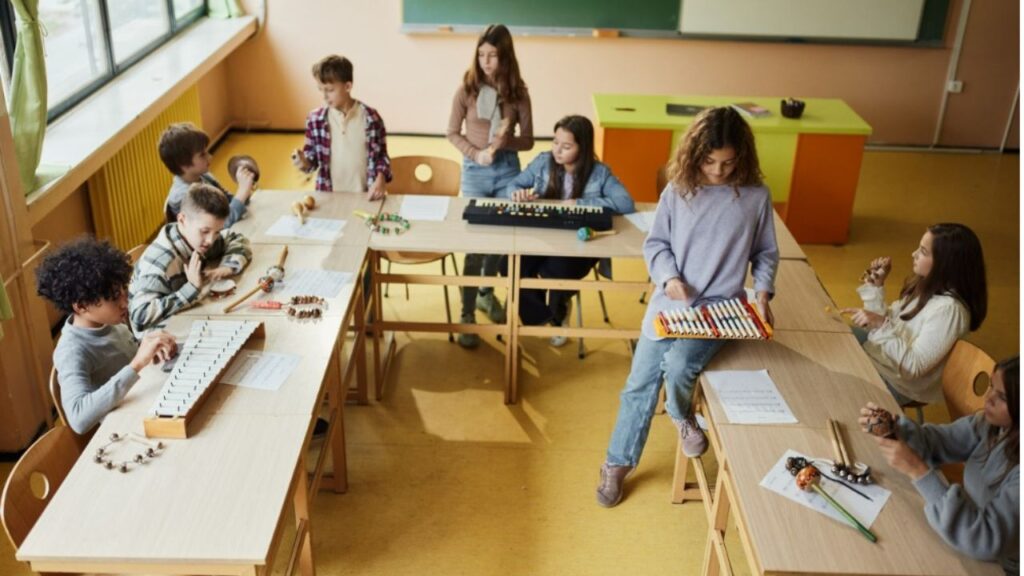
Music Education Programs Shaping Student Success in the United States
Music education programs in the United States are designed to prepare students for success by strengthening both cognitive and social skills. Through regular practice, ensemble participation, and performance opportunities, students learn time management, collaboration, and perseverance. American schools often align music curricula with academic goals, helping learners improve memory, language development, and mathematical understanding. These programs also provide inclusive spaces where students from diverse backgrounds can connect through shared goals. As U.S. education systems emphasize holistic development, music education continues to prove its value in nurturing confident students ready to excel in school and beyond.

How Arts-Based Learning Supports American Students’ Future Readiness
Arts-based learning, particularly music instruction, supports future readiness for American students by fostering adaptability and problem-solving skills. In classrooms across America, music education encourages students to interpret complex patterns, respond to feedback, and think creatively under pressure. These experiences mirror real-world challenges students will face in higher education and the workforce. Additionally, participation in school music programs has been linked to improved attendance and engagement, which are key indicators of long-term success. By investing in music education, schools across the U.S. help students develop skills that extend far beyond the classroom.
| Program Type | Target Students | Key Benefits | Common School Level |
|---|---|---|---|
| Band & Orchestra | Grades 6–12 | Teamwork, discipline | Middle & High School |
| Choir Programs | Grades 4–12 | Confidence, communication | Elementary to High School |
| General Music | Grades K–5 | Creativity, listening skills | Elementary School |
| Advanced Music Courses | High-achieving students | College readiness | High School |
Building Life Skills Through School Music Instruction Across America
School music instruction across America plays a critical role in building essential life skills that support student success. By participating in rehearsals and performances, learners develop responsibility, patience, and resilience. Music education also teaches students how to set goals and work steadily toward improvement, reinforcing habits that translate into academic and career achievement. In many U.S. communities, music programs serve as safe, supportive environments that strengthen student well-being. These experiences help young people grow into adaptable individuals capable of navigating complex personal and professional pathways.
The Role of Music Education in Supporting U.S. Academic Outcomes
Music education contributes positively to academic outcomes for U.S. learners by reinforcing skills closely tied to classroom performance. Studies and school reports across the United States show that students involved in music often demonstrate stronger focus, improved reading abilities, and higher overall engagement. Music learning requires consistent practice and critical listening, which supports brain development and information retention. When schools integrate music education into their academic frameworks, they create balanced learning environments that encourage both analytical thinking and creativity, benefiting students throughout their educational journey.
Frequently Asked Questions (FAQs)

1. Why is music education important for students in the United States?
Music education helps U.S. students develop cognitive, social, and emotional skills that support academic and lifelong success.
2. Does participation in school music programs improve academic performance?
Yes, many American schools report improved focus, attendance, and learning outcomes among students involved in music programs.
3. At what age should students start music education?
In the United States, students can begin music education as early as kindergarten through general music classes.
4. Are music programs widely available in U.S. public schools?
Availability varies by district, but many U.S. public schools offer band, choir, or general music as part of their curriculum.