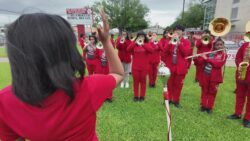
Marching Band Performances – Teamwork is the foundation of every successful marching band performance, where individual talent must blend seamlessly into a unified sound and movement. In the United States, marching bands are a vital part of school culture, community events, and national competitions, making collaboration more important than ever. From precise formations to synchronized music, each member depends on others to perform their role accurately. This collective effort not only enhances performance quality but also teaches valuable life skills such as discipline, responsibility, and mutual respect. Understanding why teamwork matters helps explain what truly makes marching bands powerful and memorable.
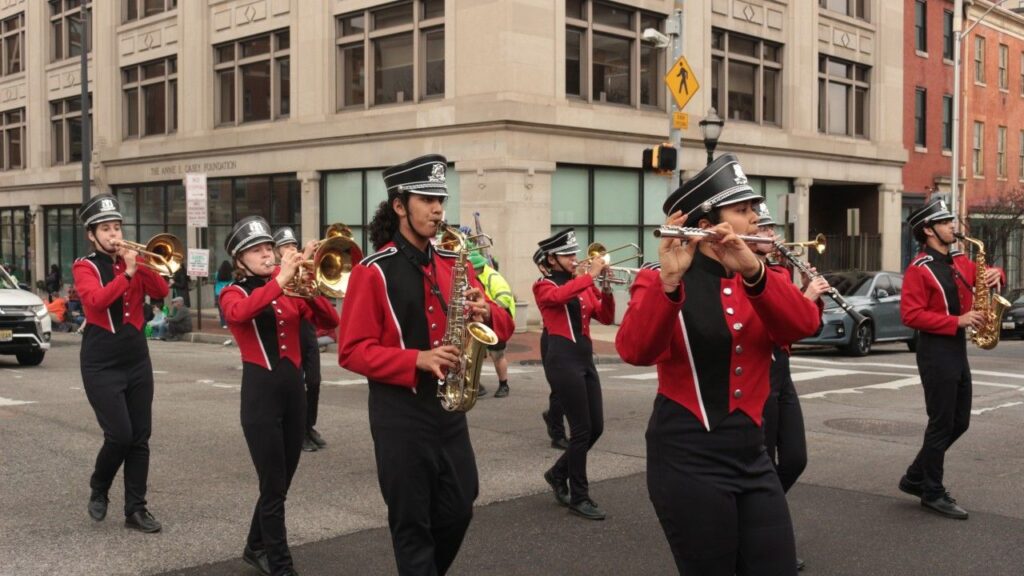
Marching Band Teamwork in the United States School System
In the United States school system, marching band teamwork is developed through structured rehearsals, section practices, and full ensemble coordination. Every marcher, regardless of instrument or role, must align timing, posture, and musical accuracy with the group. A single missed step or note can disrupt the entire performance, highlighting how interconnected each participant is. American high schools emphasize collaboration to build trust among students, ensuring they learn to rely on one another. This shared responsibility encourages accountability and leadership while fostering a sense of belonging. As bands prepare for football games, parades, and competitions, teamwork transforms individual effort into a cohesive visual and musical experience.
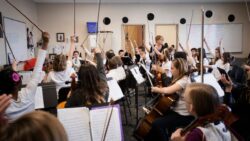
Coordinated Marching Performances Across America
Across America, coordinated marching performances demonstrate how teamwork elevates artistic expression. Band members must listen closely, watch formations, and respond instantly to cues from drum majors and instructors. This level of synchronization requires constant communication and mutual awareness. Students learn to support peers who struggle with timing or movement, reinforcing cooperation over competition. In many U.S. communities, marching bands represent school pride, meaning success reflects collective effort rather than individual recognition. Through shared goals and consistent collaboration, American marching bands achieve complex routines that would be impossible without strong teamwork at every level.
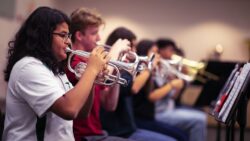
| Teamwork Element | Role in Performance | Impact on Band |
|---|---|---|
| Synchronization | Aligning music and movement | Creates visual and musical unity |
| Communication | Following cues and signals | Prevents errors during routines |
| Shared Responsibility | Each member executes their part | Builds accountability and trust |
| Peer Support | Helping struggling members | Improves overall performance quality |
| Leadership | Guidance from drum majors | Keeps the group organized |
Building Unity Through Marching Band Collaboration for Americans
Building unity through marching band collaboration helps American students grow beyond musical ability. Working toward shared goals teaches patience, adaptability, and respect for diverse roles within the ensemble. Whether adjusting spacing on the field or balancing sound across sections, collaboration ensures that no member feels isolated. This unity often extends beyond performances, strengthening friendships and school spirit. For many young Americans, marching band becomes a place where teamwork shapes character and confidence. The lessons learned through collaboration remain valuable long after the final performance, influencing academic, professional, and personal success.
Leadership and Cooperation in U.S. Marching Band Culture
Leadership and cooperation are central to U.S. marching band culture, where students learn to guide and support one another. Drum majors, section leaders, and captains model responsibility while encouraging teamwork across the ensemble. This cooperative structure allows bands to function smoothly under pressure, especially during competitions and public events. American educators often highlight marching band participation as a tool for developing leadership skills rooted in collaboration rather than authority. By working together toward excellence, students experience how shared effort and respectful leadership create stronger outcomes than individual ambition alone.
Frequently Asked Questions (FAQs)
1. Why is teamwork essential in marching band performances?
Teamwork ensures synchronization, accuracy, and unity, which are critical for successful marching band routines.
2. How do U.S. schools teach teamwork through marching bands?
American schools use group rehearsals, leadership roles, and collaborative goals to build teamwork skills.
3. Can marching band teamwork help students outside music?
Yes, it develops communication, discipline, and leadership skills useful in academics and careers.
4. What happens if teamwork breaks down during a performance?
Lack of teamwork can lead to timing issues, formation errors, and reduced overall performance quality.