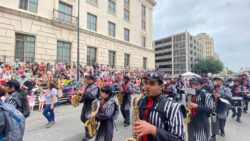
High School Marching – Behind the scenes of a high school marching band season reveals months of discipline, teamwork, and dedication that audiences rarely see. Across the United States, marching band programs play a vital role in student life, blending music education with physical endurance and leadership development. From early summer rehearsals to late-night practices during the fall football season, American students commit countless hours to perfecting performances. This journey is not only about music and marching drills but also about building character, responsibility, and school pride. Understanding this process helps parents, educators, and communities appreciate the hard work that fuels every halftime show.
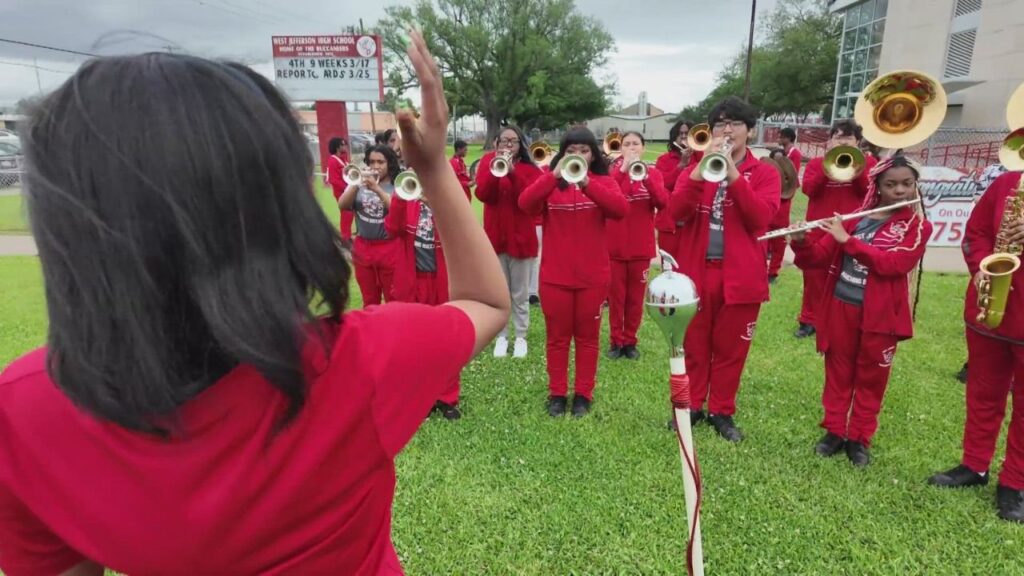
High School Marching Band Preparation in the United States
The preparation phase of a high school marching band season in the United States often begins months before the first public performance. Band camps are typically held during summer break, where students learn drill formations, musical pieces, and marching fundamentals under intense schedules. For many American teens, this period requires balancing heat, long rehearsal hours, and academic preparation for the upcoming school year. Directors emphasize discipline, time management, and teamwork, ensuring students are ready for competitive events and football games. This structured preparation helps US-based schools maintain high performance standards while fostering a strong sense of unity among band members.

Daily Rehearsal Life for American Students in Marching Bands
Once the school year starts, daily rehearsal life becomes a defining feature of marching band participation for American students. After classes, band members gather for focused practices that combine music refinement, synchronized movement, and physical conditioning. Across the US, schools often schedule rehearsals multiple times a week, especially during peak competition season. Students learn accountability by arriving on time, caring for equipment, and supporting peers. This routine not only sharpens performance quality but also teaches valuable life skills such as perseverance and collaboration, making marching band programs an integral part of student development in the country.
| Season Stage | Typical Timeline | Main Focus |
|---|---|---|
| Summer Band Camp | June–July | Learning drill and music basics |
| School-Year Rehearsals | August–October | Refining performances |
| Football Game Shows | Fall Season | School spirit and entertainment |
| Marching Competitions | September–November | Judged performances |
| Season Wrap-Up | Late November | Evaluation and awards |
Competition Season Across US High School Marching Bands
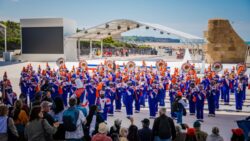
The competition season is the most demanding period for high school marching bands across the US. During this time, students travel on weekends to perform at regional and state-level events judged on precision, musicality, and visual impact. For many schools in America, these competitions serve as benchmarks of progress and motivation. Students experience pressure similar to athletic tournaments, learning how to perform under scrutiny while representing their schools with pride. This phase strengthens resilience and confidence, as participants must adapt to feedback quickly and maintain peak performance levels throughout the competitive calendar.
Support Systems for Marching Bands Across America
Support systems play a crucial role in sustaining marching band programs across America. Parents, school administrators, and local communities often contribute through fundraising, volunteering, and logistical assistance. In many US districts, booster clubs help cover costs for uniforms, instruments, and travel, ensuring equal opportunities for students. Educators also collaborate with athletic departments to balance academic and extracurricular demands. This collective support reflects how marching bands are valued nationwide, not just as musical groups but as programs that promote discipline, inclusion, and community engagement within American schools.
Frequently Asked Questions (FAQs)
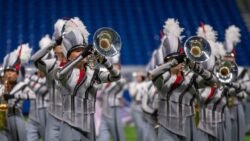
1. When does a high school marching band season usually start in the United States?
The season typically begins with summer band camps held between June and July.
2. How many hours do American students practice during the season?
Most students practice several days a week, often totaling 8–15 hours weekly during peak season.
3. Are marching band activities linked to school sports in the US?
Yes, bands frequently perform at football games and support school athletic events.
4. What skills do students gain from marching band participation?
Students develop teamwork, discipline, time management, and performance confidence.