Competitive Band Program – Being part of a competitive band program offers students far more than musical training; it builds life skills that last well beyond school years. In the United States, competitive school bands are deeply woven into education and community culture, especially at middle and high school levels. Students learn discipline, teamwork, and resilience through rehearsals, performances, and competitions. From managing pressure on the field to balancing academics with practice schedules, these programs shape responsible and confident individuals. For American students, competitive band participation becomes a structured environment where creativity, leadership, and personal growth develop together.
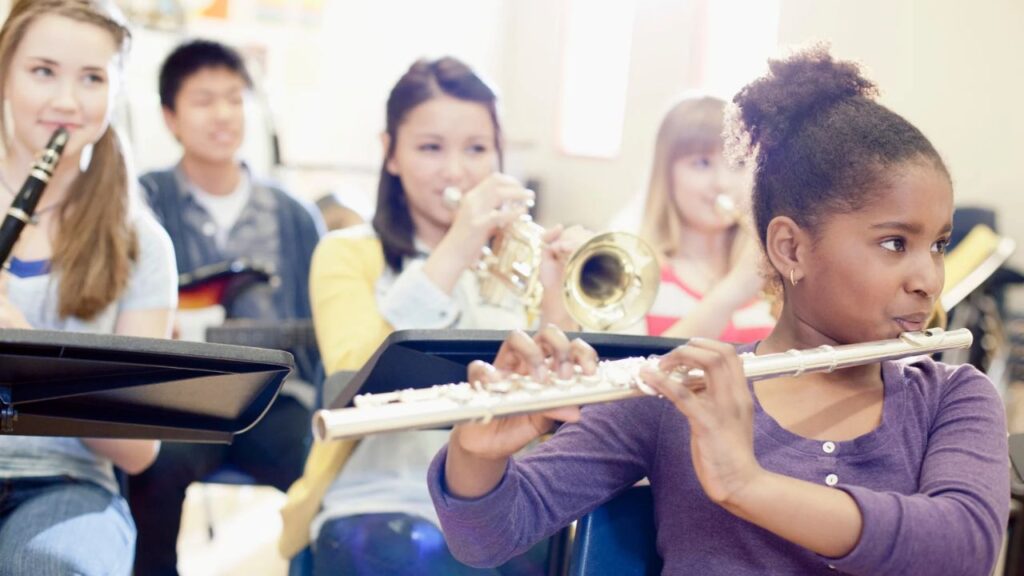
Life Skills Gained Through Competitive Band Programs in the United States
Competitive band programs in the United States help students develop essential life skills that extend far beyond music. Participants learn time management by juggling rehearsals, competitions, and academic responsibilities. Discipline becomes second nature as students follow structured practice routines and performance standards. American schools often emphasize accountability within band programs, teaching students to prepare individually while contributing to group success. These experiences foster resilience, as students learn to accept feedback, recover from mistakes, and strive for improvement. Through competitions, students also gain confidence in public performance, communication, and adaptability—skills that are highly valued in higher education and future careers.

How Teamwork and Leadership Grow Among American Students in Bands
For American students, competitive band participation is a powerful lesson in teamwork and leadership. Each member plays a vital role, reinforcing the idea that collective success depends on individual commitment. Leadership opportunities often emerge naturally, with section leaders, drum majors, and peer mentors guiding others. This structure mirrors real-world organizational dynamics, helping students understand responsibility and collaboration. Across the U.S., band programs encourage peer-to-peer learning, where experienced students support newcomers. These interactions strengthen communication skills and empathy, teaching students how to lead respectfully while valuing diverse strengths within a unified ensemble.
| Learning Area | Key Skill Developed | How It Is Learned |
|---|---|---|
| Discipline | Consistency | Daily practice and structured rehearsals |
| Teamwork | Collaboration | Group performances and competitions |
| Leadership | Responsibility | Section roles and peer mentoring |
| Confidence | Public presence | Performing before judges and audiences |
Discipline and Academic Balance Across Schools in America
Across schools in America, competitive band programs reinforce the importance of discipline and academic balance. Students are expected to meet both musical and educational standards, encouraging responsible behavior. Many U.S. schools require band members to maintain academic eligibility, reinforcing the link between performance and classroom success. This structure helps students prioritize tasks, set goals, and manage stress effectively. Learning to balance demanding rehearsal schedules with homework and exams prepares students for future academic and professional environments. The discipline gained through band participation often translates into improved study habits and long-term educational commitment.
Personal Growth and Confidence Building for U.S. Youth
Competitive band programs play a significant role in personal growth for U.S. youth. Performing in high-pressure environments teaches students how to manage nerves and remain focused. Over time, repeated performances build self-confidence and emotional resilience. Many young Americans discover a strong sense of identity and belonging within band communities, which supports mental well-being. The encouragement received from peers, instructors, and audiences reinforces self-worth. These experiences help students develop a positive mindset, preparing them to face challenges beyond school with confidence and determination.
Frequently Asked Questions (FAQs)

1. Do competitive band programs help with college readiness?
Yes, they build discipline, time management, and teamwork skills valued by colleges.
2. Are competitive bands common in the United States?
Yes, many U.S. middle and high schools offer competitive marching or concert bands.
3. Can band participation improve academic performance?
Many students see improved focus and study habits due to structured schedules.
4. Do students need prior experience to join a competitive band?
Most programs accept beginners and provide training to develop skills over time.