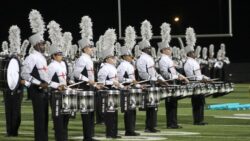
Build Leadership and Discipline – High school marching bands play a powerful role in shaping students beyond music, helping them develop leadership, discipline, and teamwork skills that last a lifetime. In the United States, marching band programs are deeply embedded in school culture, particularly through football games, competitions, and community events. These programs demand commitment, structure, and cooperation, making them ideal environments for personal growth. From early-morning rehearsals to high-pressure performances, students learn responsibility and resilience. This article explores how marching bands across America actively build strong leadership qualities and disciplined habits in young musicians.
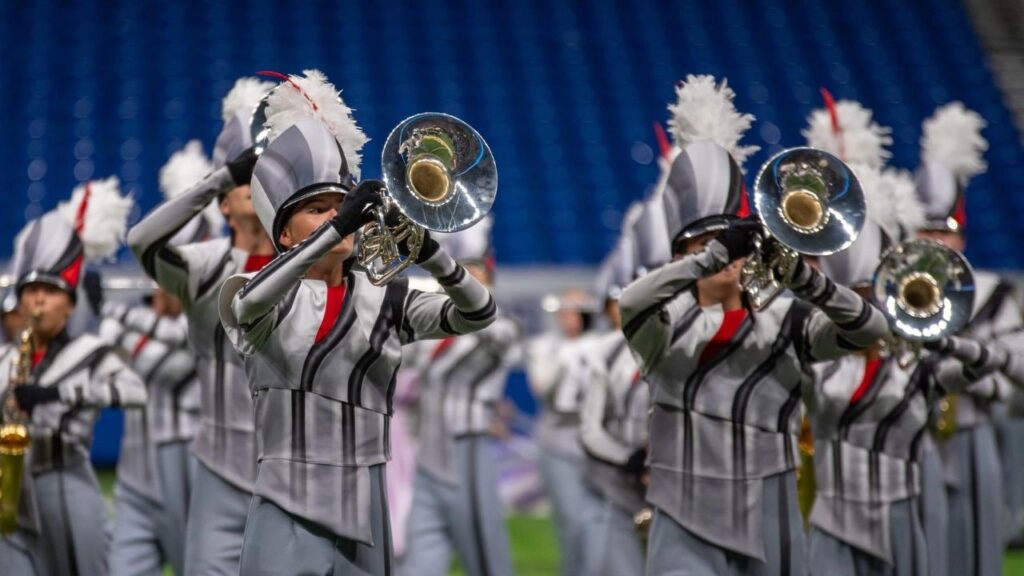
Leadership Skills Developed Through Marching Bands in the United States
High school marching bands in the United States are structured to naturally encourage leadership among students. Section leaders, drum majors, and captains are often selected based on responsibility, musical skill, and attitude, giving students real authority and accountability. These roles require guiding peers, resolving conflicts, and communicating clearly—skills highly valued by American educators and employers alike. Students learn how to lead by example, manage time effectively, and make decisions under pressure. Through performances and rehearsals, U.S. marching band members gain confidence and learn how leadership is earned through consistency, respect, and dedication rather than titles alone.
How Marching Band Discipline Shapes American Students
Discipline is a core pillar of marching band culture across the USA. Students are expected to arrive on time, maintain uniforms, memorize complex routines, and perform with precision. This strict structure mirrors real-world expectations found in American workplaces and institutions. Rehearsal schedules often require balancing academics, family life, and band commitments, teaching students self-discipline and prioritization. Mistakes on the field affect the entire group, reinforcing accountability and focus. Over time, American students internalize these habits, translating them into improved classroom behavior, stronger work ethics, and a deeper respect for teamwork and rules.

| Band Element | Skill Developed | Real-Life Benefit |
|---|---|---|
| Section Leadership | Team Management | Workplace Leadership |
| Daily Rehearsals | Time Discipline | Academic Consistency |
| Performances | Confidence | Public Speaking Skills |
| Uniform Standards | Attention to Detail | Professionalism |
Teamwork and Accountability in Bands Across America
Marching bands across America rely heavily on teamwork, where every movement and note must align perfectly. This environment teaches students that individual success depends on collective effort. Members are held accountable not only by instructors but also by peers, creating a shared sense of responsibility. If one person falls behind, the entire formation suffers, reinforcing the importance of preparation and reliability. These lessons resonate strongly within U.S. educational values, which emphasize collaboration and peer learning. Students leave marching band programs with a clear understanding of how teamwork and accountability contribute to success in both academic and professional settings.
Why U.S. Schools Value Marching Bands for Student Development
Many schools across the United States actively support marching band programs because of their proven impact on student development. Administrators recognize that band students often demonstrate higher discipline, stronger school engagement, and improved leadership capabilities. These programs foster school pride, community involvement, and positive behavior, aligning with broader American education goals. Marching bands also provide inclusive leadership opportunities for students who may not participate in sports or student government. By combining structure, creativity, and responsibility, U.S. marching bands serve as powerful training grounds for shaping well-rounded, disciplined, and confident young leaders.
Frequently Asked Questions (FAQs)

1. How do marching bands teach leadership to U.S. students?
They assign leadership roles like section leaders and drum majors, requiring students to guide peers and manage responsibilities.
2. Is marching band discipline useful outside school?
Yes, the time management, accountability, and focus learned are highly transferable to college and careers.
3. Do American colleges value marching band experience?
Many colleges appreciate marching band participation as it reflects commitment, teamwork, and leadership.
4. Can non-musical skills really develop through band programs?
Absolutely, students gain communication, confidence, and discipline that extend far beyond music.